In wing foiling, your safety gear comes down to a few pieces: a helmet, an impact vest, a board leash, a wing leash and a wetsuit suited to the water temperature. At AFS, we recommend wearing a helmet and an impact vest from your very first session. There is a rigid foil under your board. When you fall, your own gear can hit you.
AFS doesn’t sell helmets or impact vests. This article walks you through what to look for when choosing them, then what to check before you get on the water. For general safety rules (spot, wind, lessons), read wing foil hazards and how to avoid accidents. For boards, wings and foils, everything is on the wing foil page.
Why wear a helmet for wing foiling?
A helmet protects your head from impacts with your own gear. The foil can cut you and cause serious injuries in an uncontrolled fall. The board can hit hard enough to cause a fracture.
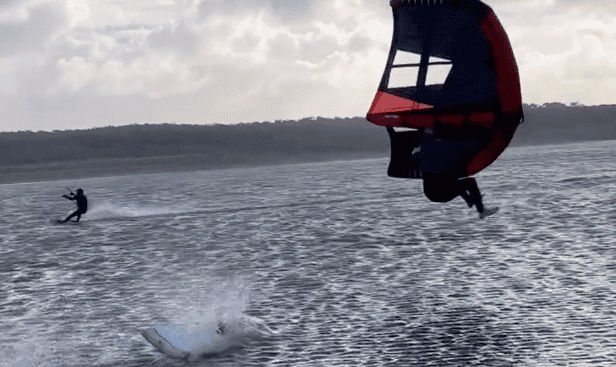
Speed makes it worse. Once you’re up on the foil, the faster you go, the harder the fall can be. That’s true for a beginner taking off without control and for an experienced rider pushing for speed.
A helmet protects your head, not the rest of your body. That’s why you pair it with an impact vest.
How to choose a wing foil helmet
- A helmet designed for water sports. A bike or ski helmet isn’t made for the water. In Europe, the reference standard is EN 1385, which covers helmets for canoeing and white water sports. It’s the one you’ll find on kitesurf helmets. For wing foiling, look for this type of helmet.
- A snug fit. The helmet shouldn’t move when you shake your head. Try it on before you buy, with your hood if you ride in winter.
- A properly adjusted chin strap. A helmet that comes off in the first fall doesn’t protect you.
- A helmet you’ll actually wear. Pick one comfortable enough to keep on for the whole session.
Impact vest or life jacket: what’s the difference?
Most wing foilers wear an impact vest. It does two things. It protects your torso when you fall or take a hit. It also gives you a little buoyancy when you’re swimming next to your gear.
That buoyancy is only a bonus. An impact vest is thinner than a life jacket and doesn’t replace one. If you’re not a confident swimmer, or if you ride far from shore, ask your school for advice.
How to choose a wing foil impact vest
- Close-fitting. It shouldn’t ride up under your arms when you’re in the water.
- Free at the shoulders. You need to hold your wing with your arms extended without restriction.
- Compatible with your harness, if you use one. Try both on together before you buy.
Leashes: never get separated from your gear
Leashes keep you from losing your wing and your board when you fall. A board drifting away without you means a long swim, sometimes offshore. Basic rule: never let go of your board.
- Board leash: attached at your waist or ankle.
- Wing leash: attached at your wrist.
- Knots: tight, with a little extra cord in case the knot slips.
- Wear: replace your leash after heavy use. Don’t wait for it to snap mid-session.
AFS makes its own leashes:
The rest of the small parts are on the accessories page.
Wetsuit and booties
A neoprene wetsuit and booties suited to the water temperature reduce the risk of hypothermia. They also protect you from scrapes and minor knocks.
What you need from your first session
If you’re just starting out, nothing on this list is optional:
- a helmet;
- an impact vest;
- a board leash and a wing leash;
- a wetsuit and booties suited to the season.
For the riding gear itself, read what equipment do you need to start wing foiling or use the foil finder to find your setup. And take lessons: here’s where to learn wing foiling.
Gear checklist before you hit the water
- Put your helmet and vest on while you rig on the beach. It saves time.
- Helmet chin strap buckled, vest adjusted.
- Leashes free of visible wear, knots checked.
- At launch: board leash first, then wing leash on your wrist.
For everything else (right of way, spot, weather), read wing foil right-of-way rules.
What about downwinding?
On a downwind run, you end up far from where you started, so you need more than a helmet, a vest and leashes. The gear to bring is covered in the article on wing foil hazards.
Frequently asked questions
Do you need a helmet for wing foiling?
We strongly recommend one, especially when you’re learning. Beginners fall often and without control. A helmet protects your head from the board and the foil.
Can I use a bike or ski helmet for wing foiling?
No. Those helmets aren’t designed for the water. Choose a helmet made for water sports.
What should I look for in a wing foil helmet?
A water sports design, a snug fit that doesn’t move when you shake your head, a chin strap you can adjust properly, and enough comfort to wear it the whole session.
Does an impact vest keep you afloat?
It helps you float while you swim next to your gear. It isn’t a life jacket and doesn’t replace one.
Where can I buy a wing foil helmet and impact vest?
AFS doesn’t sell them. Go to a water sports shop and try them on before you buy, with your wetsuit and your harness if you have one.
When should I replace my leash?
After heavy use, or as soon as the cord or attachments show signs of wear.
Once you’re geared up, pick your equipment: foils, wings and boards are on the wing foil gear page.